

Air tools—also known as pneumatic tools—are indispensable in workshops, garages, and job sites across many industries. Known for their power, durability, and efficiency, these tools still require consistent upkeep to stay in peak condition. Neglecting maintenance can lead to poor performance, shortened lifespan, and even safety risks.
Whether you’re a professional mechanic or a weekend DIYer, this guide covers everything you need to know about proper air tool maintenance. Let’s dive into how to clean, lubricate, and store your pneumatic gear the right way.
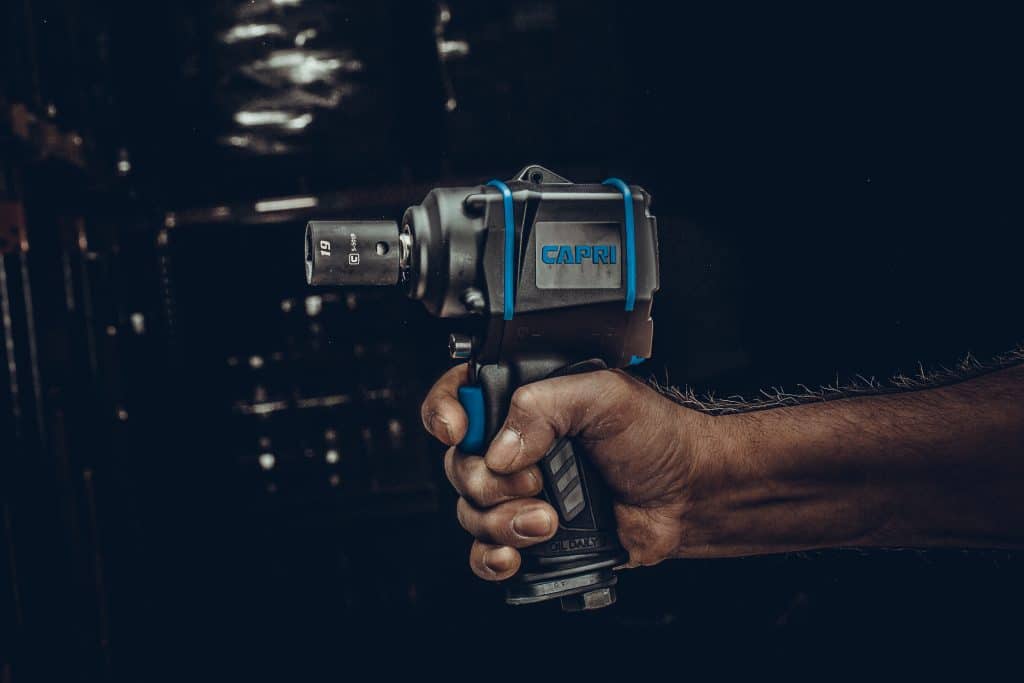
Why Maintenance Matters
Air tools operate using compressed air, which, if not properly filtered and dried, can carry dirt, debris, and moisture into the tool’s internal components. Over time, this buildup can cause corrosion, seal failure, sluggish operation, and even permanent damage.
Regular maintenance helps:
- Extend tool lifespan
- Maximize power and efficiency
- Prevent costly repairs or replacements
- Ensure job site safety
Essential Tools and Supplies
Before starting maintenance, gather these items:
- Air tool oil (specifically designed for pneumatic tools)
- Clean, lint-free cloths
- Compressed air blower or air gun
- Small brush (e.g., toothbrush or soft nylon brush)
- Inline air filter and lubricator (if not already installed)
- Safety glasses and gloves
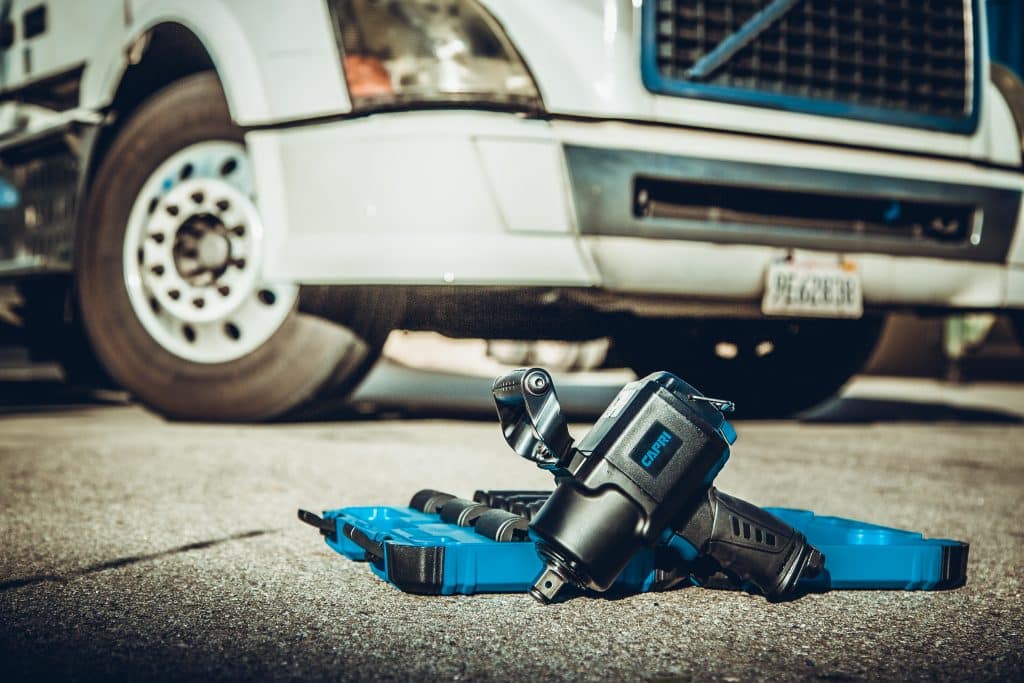
Daily Maintenance Checklist
Here’s what you should do every time you use your air tools:
1. Inspect Before Use
- Check for air leaks in the hose or connectors
- Ensure all fittings are tight and secure
- Look for visible signs of wear or damage
2. Add a Few Drops of Oil
Before each use, apply 4–5 drops of pneumatic oil into the air inlet. This lubricates internal parts and prevents rust and wear. Do not use motor oil or WD-40—it can gum up the internals.
3. Drain the Compressor Tank
Moisture builds up inside the tank after use. Bleed the tank daily to prevent water from traveling through the airline into your tools.
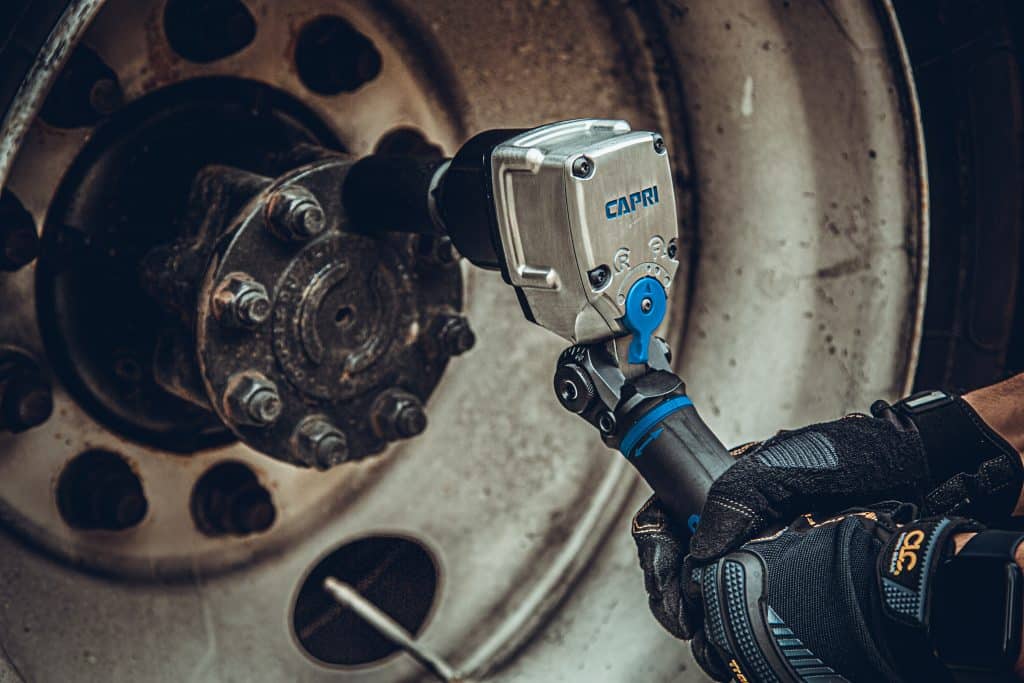
Weekly Cleaning Routine
If you use air tools frequently, a more thorough weekly clean is essential:
1. Disconnect and Disassemble
Always disconnect the tool from the air source. For tools with removable components (like sockets, blades, or chucks), disassemble according to the manufacturer’s instructions.
2. Clean the Exterior
Use a clean cloth and brush to remove dust, grease, and grime from the tool’s exterior. Pay close attention to vents and crevices.
3. Clean the Air Inlet and Exhaust
Blow out dust and debris from the air inlet using compressed air. The exhaust vent can also accumulate particles—use a brush or air blower to clean it gently.
4. Internal Lubrication
If your tool’s manual allows, you can open the housing to clean and relubricate internal moving parts. Use pneumatic tool grease or oil and avoid over-lubricating.
Monthly Maintenance Tips
Every month, set aside time to:
- Check and replace filters in your air compressor’s line to prevent dirty air from damaging your tools.
- Inspect O-rings and seals for cracks or dryness—these are critical for airtight operation.
- Test tool performance under load. If the tool feels weak, sluggish, or noisy, it may need a deeper service or professional repair.
Proper Storage Guidelines
- Always disconnect tools from the air supply when not in use.
- Store in a dry, dust-free location, ideally in a toolbox or storage rack.
- Avoid coiling air hoses too tightly—they can develop weak points.
- If storing for a long period, apply oil to the inlet and run the tool briefly to coat the internals before sealing it in a bag or case.
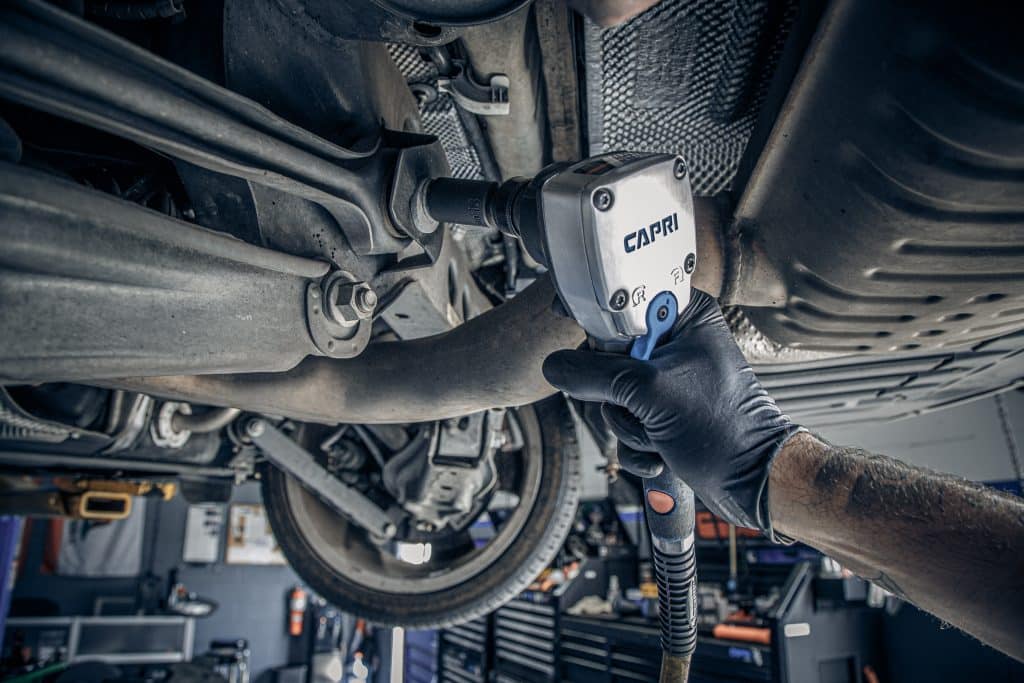
Pro Tips for Long-Lasting Pneumatic Tools
- Use clean, dry air. Moisture and dirt are the #1 killer of air tools. Invest in a quality air filter/dryer system.
- Label your tools. Keep tools used in dirty or harsh environments separate from cleaner tools to track wear more effectively.
- Follow the manual. Each air tool has specific maintenance recommendations—don’t skip the fine print.
Taking the time to care for your air tools isn’t just about keeping them running—it’s about ensuring every job gets done safely, efficiently, and to the highest standard. With the right routine, even your most-used pneumatic tools can stay powerful for years to come.
Keep it clean. Keep it lubed. Keep it stored right. That’s the key to keeping your gear in top shape.